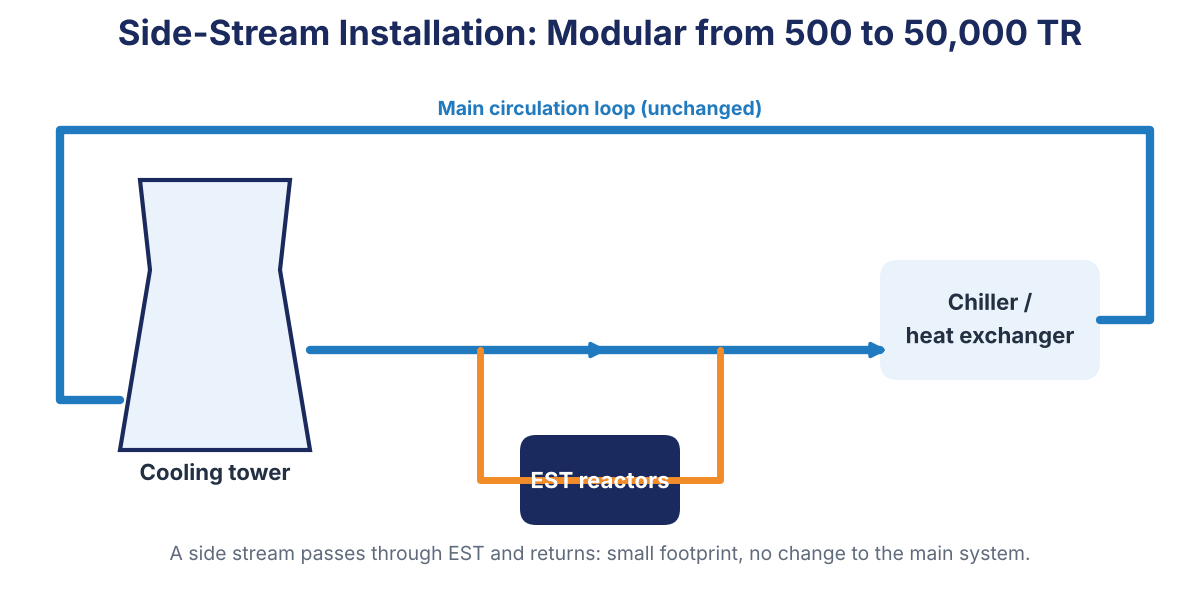
What Is Chemical-Free Water Treatment and How Does It Work? For decades, industrial and commercial water systems have relied on chemical dosing to control scale, corrosion, and bacteria. Chemical-free water treatment offers a different approach: one that solves the same problems using electricity instead of chemical additives. How chemical-free water treatment works At the core […]

Blog Grid
What Is Chemical-Free Water Treatment and How Does It Work?
- Dick Ackermann
- October 6, 2026
- No Comments
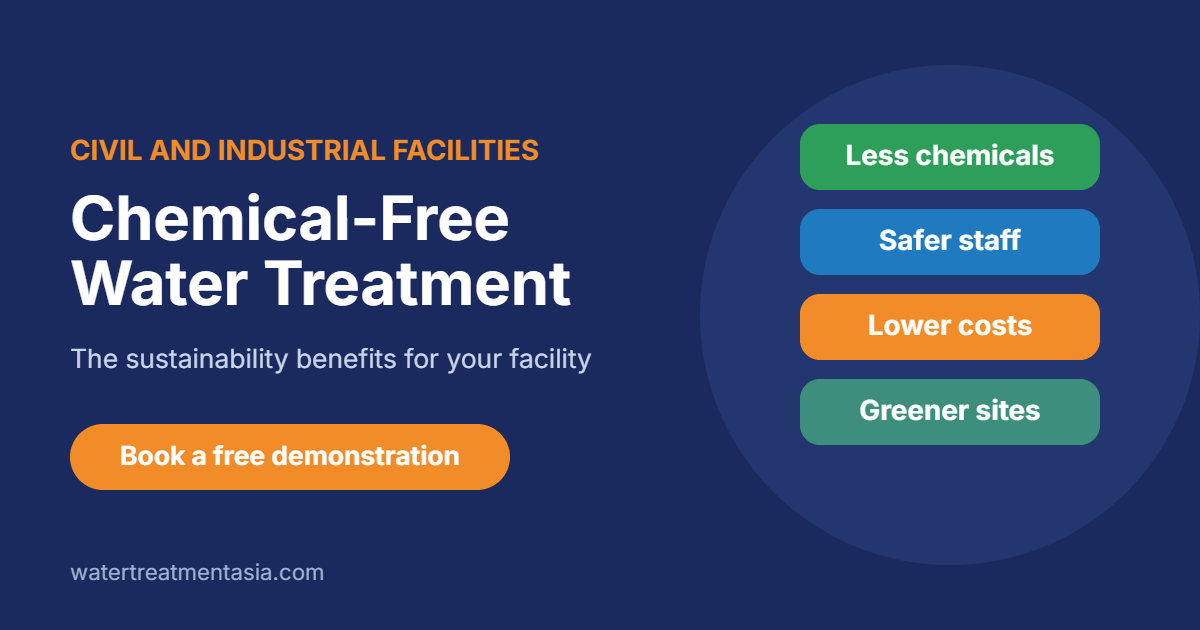
Chemical-Free Water Treatment for Civil and Industrial Facilities: Sustainability Benefits
- Dick Ackermann
- October 5, 2026
- No Comments
Chemical-free water treatment helps hospitals, hotels, commercial buildings and factories cut chemical use, improve safety and lower lifecycle costs. Here is what facility managers need to know.

Is Chemical-Free Cooling Tower Water Treatment a Utopia? No, It Is Here Now
- Dick Ackermann
- October 5, 2026
- No Comments
Chemical-free cooling tower treatment is not a utopia. It works today, provided you separate proven technology from overselling. Here is how to tell the difference.
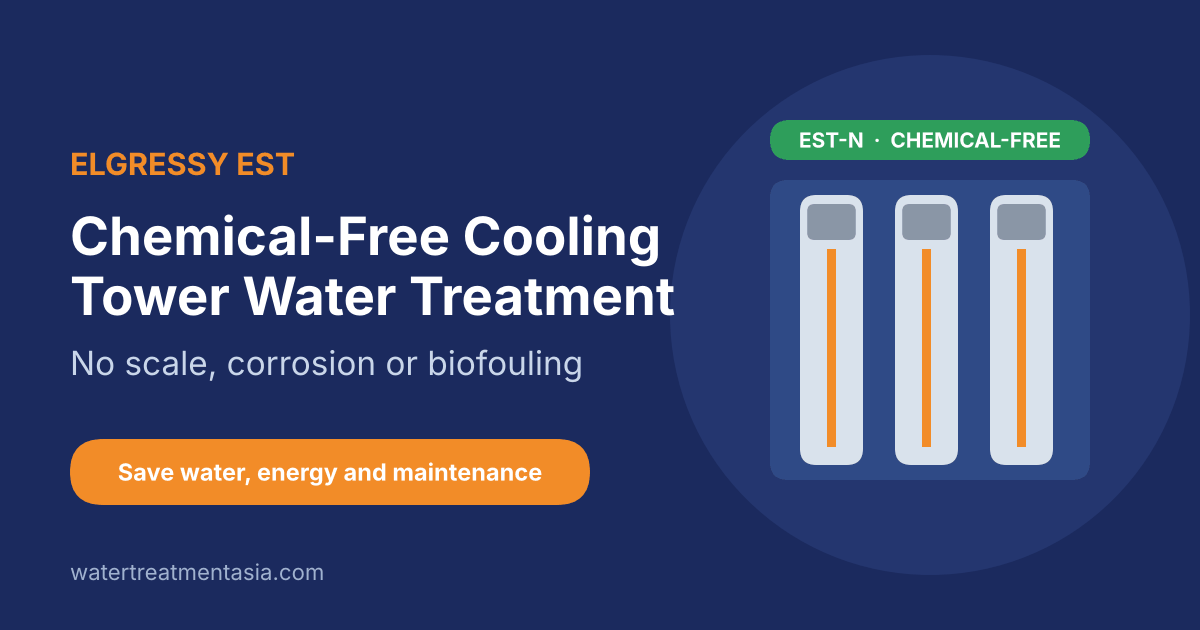
Elgressy EST: Chemical-Free Scale, Corrosion and Biofouling Control for Cooling Towers
- Dick Ackermann
- October 5, 2026
- No Comments
Elgressy EST uses controlled electrolysis to stop scale, corrosion and biofouling in cooling towers without chemicals, saving water, energy and maintenance.
LEED Certification Explained: Levels, Credits and How Cooling-Water Treatment Helps
- Dick Ackermann
- October 5, 2026
- No Comments
LEED is the world’s most widely used green building rating system. Learn how it works, what each level requires, and how cooling-tower water treatment can help earn points.
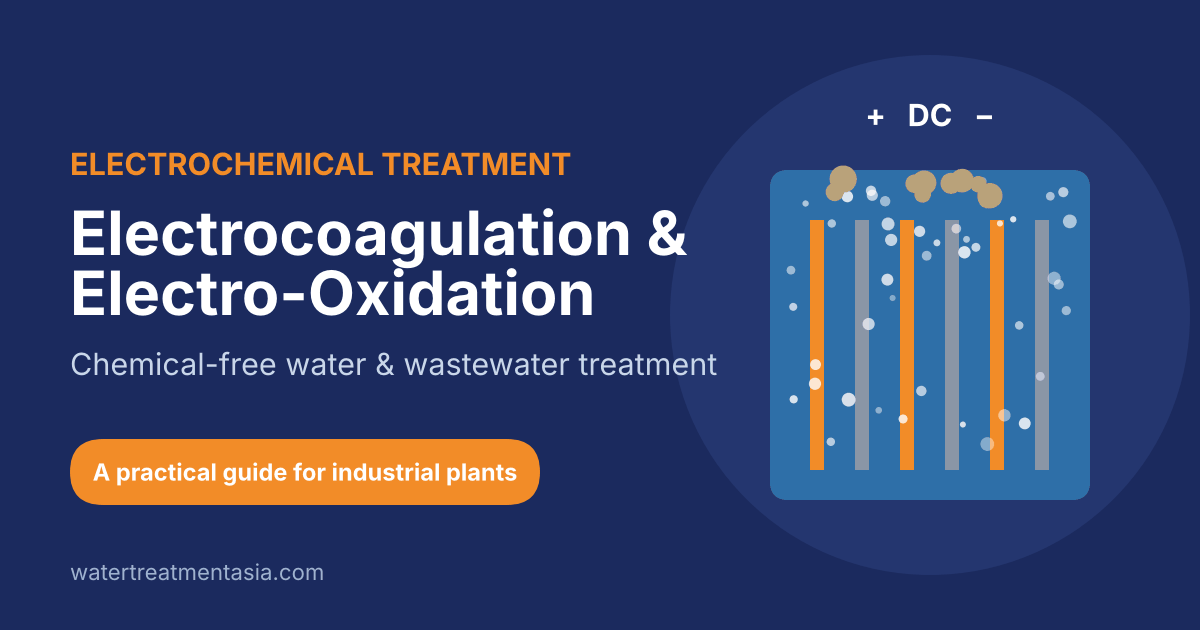
Electrocoagulation and Electro-Oxidation: Chemical-Free Water and Wastewater Treatment
- Dick Ackermann
- October 5, 2026
- No Comments
Electrocoagulation and electro-oxidation use electricity instead of chemicals to remove oils, metals, COD and pathogens from water. Learn how they work and where they fit.
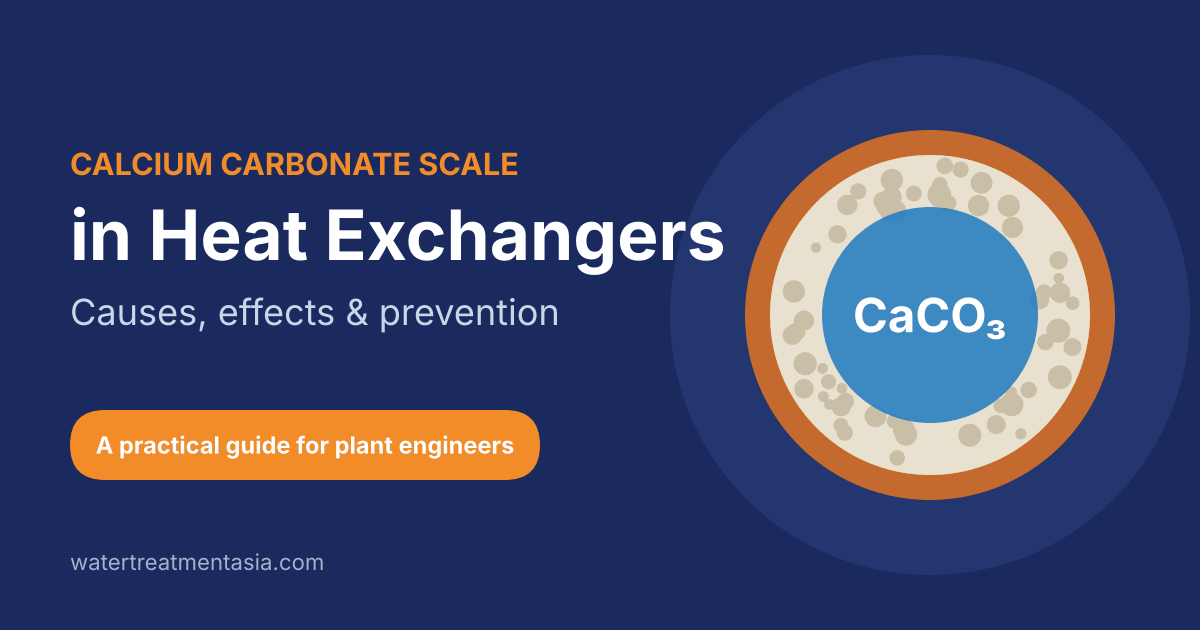
Calcium Carbonate (CaCO3) Scale in Heat Exchangers: Causes, Effects and Prevention
- Dick Ackermann
- October 5, 2026
- No Comments
Calcium carbonate scale is the most common deposit in heat exchangers and chillers. Learn why it forms on hot surfaces, what it costs, and how to prevent it.
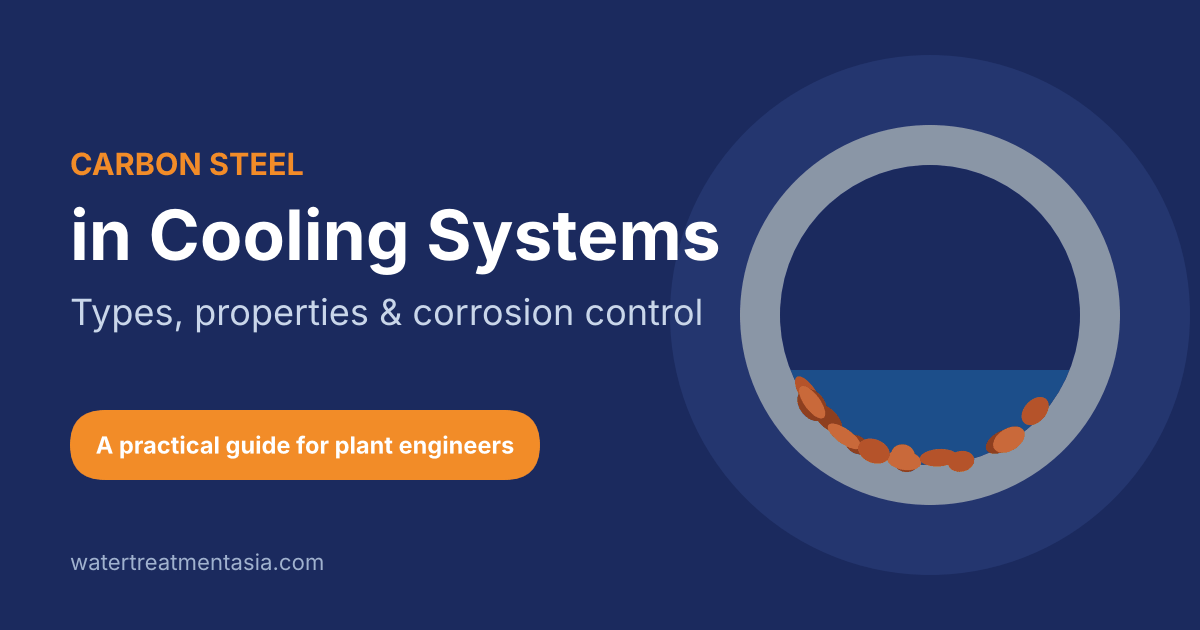
Carbon Steel in Cooling Systems: Types, Properties and Corrosion Control
- Dick Ackermann
- October 5, 2026
- No Comments
Carbon steel is the backbone of cooling towers, chillers and pipework. Learn how its grades differ, why it corrodes in cooling water, and how to protect it.
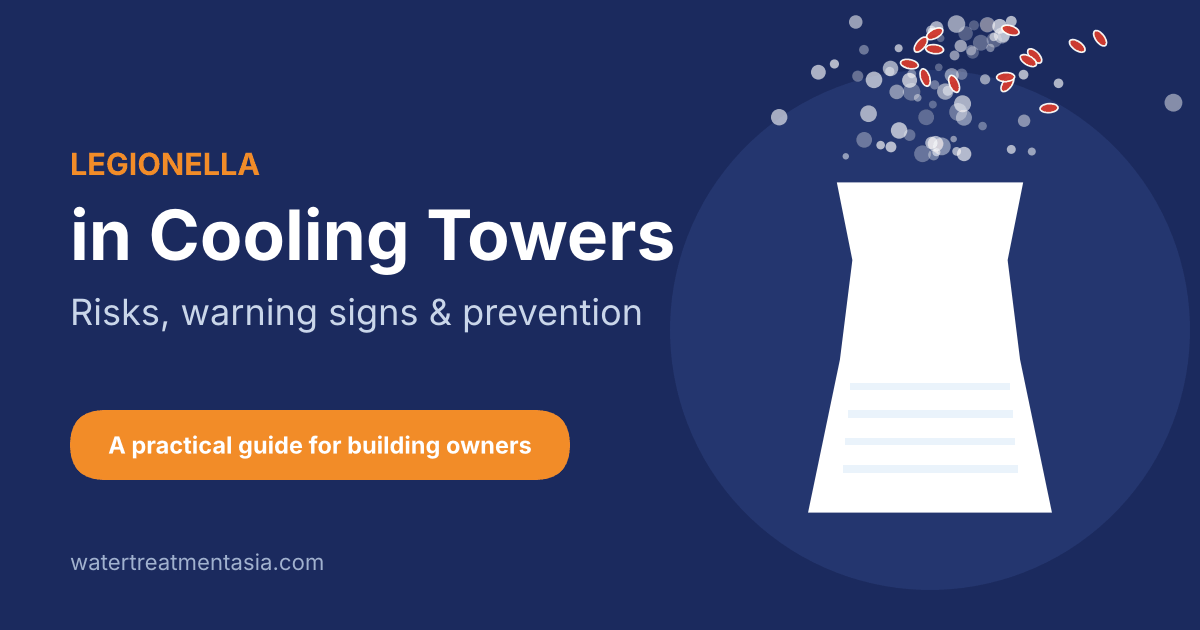
Legionella in Cooling Towers: Risks, Warning Signs and How to Prevent It
- Dick Ackermann
- October 5, 2026
- No Comments
Cooling towers are behind most large Legionnaires’ disease outbreaks. Learn how Legionella grows, which test results demand action, and how to prevent it.
How to Prevent Rising Chiller Approach Temperature
- Dick Ackermann
- October 4, 2026
- No Comments
Learn what chiller approach temperature is, how to calculate evaporator and condenser approach, and how to stop it rising due to scale, fouling and biofilm.


Our Visitor :


